
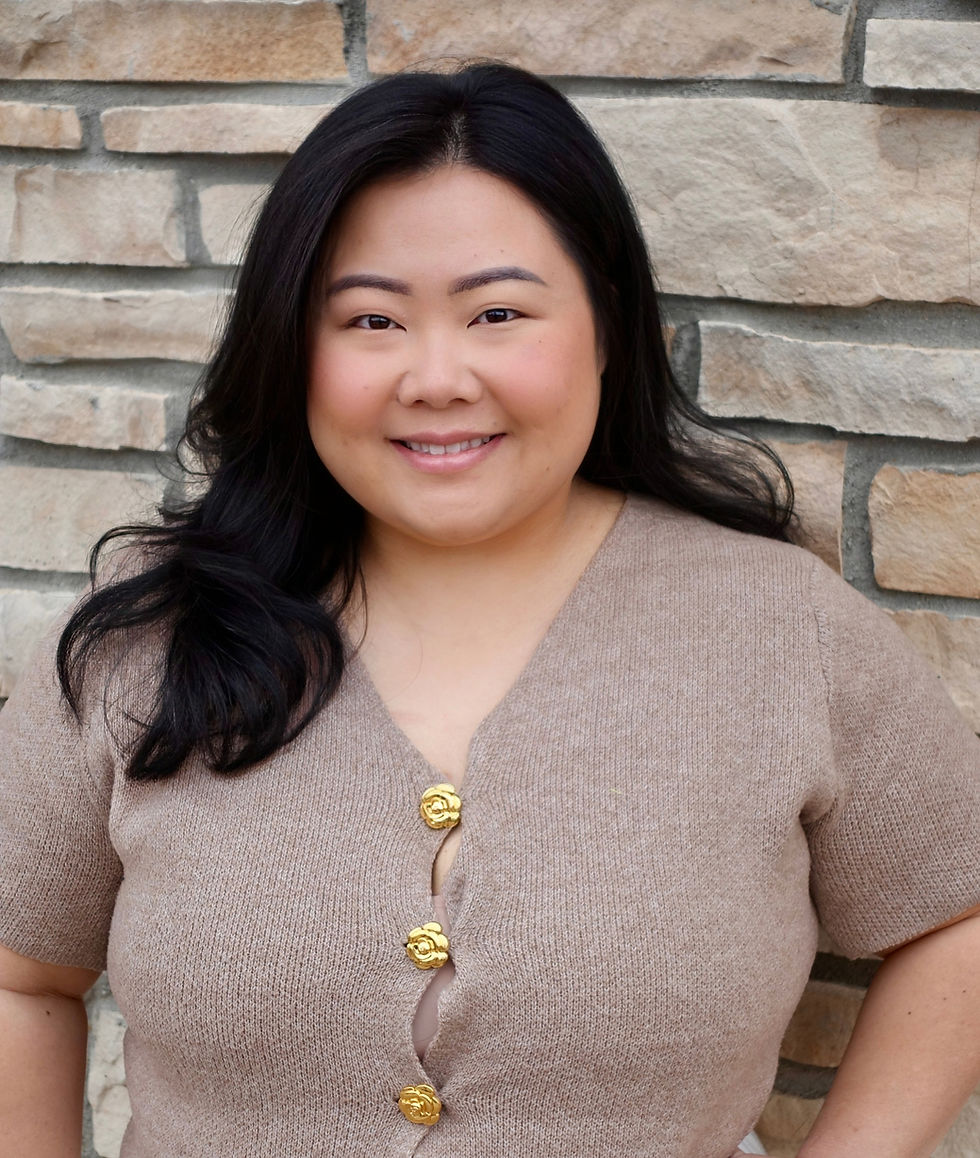
Meet Chee (she/her/hers): a Bilingual Hmong EMDR trained therapist in Twin Cities, MN
- Jul 6
- 5 min read
Who I support as a bilingual Hmong emdr therapist in Twin Cities, MN
Drawing from my own experiences as a First-Generation Hmong American, I prioritize cultural humility and understanding. I recognize that each individual’s experience is unique, and I listen with a keen awareness of how identity factors such as race, ethnicity, immigration status, or socioeconomic background can influence their perspective. I encourage clients to explore these intersections and how they may impact their mental health, relationships, and sense of belonging.
I feel most aligned to work with individuals from marginalized communities, particularly BIPOC individuals, individuals who identify as LGBTQ, Hmong individuals, international students, and first-generation individuals.
I am passionate about working with individuals who may feel caught between their heritage and the pressures of assimilation, as I understand firsthand the emotional toll this can take. International students, in particular, may experience isolation and cultural dissonance, and I believe I can offer support that acknowledges the challenges of adjusting to a new environment while maintaining a connection to their roots.
Working with BIPOC clients also aligns with my commitment to providing culturally responsive, anti-oppressive therapy. I aim to create a space where these clients can explore their unique experiences of identity, belonging, and resilience, while also addressing the impact of systemic discrimination they may face.
A warm welcome from me
If you’ve had negative experiences with therapy in the past or feel uncertain about starting, I want you to know that you are not alone, and your feelings are completely valid. It’s common for people to feel hesitant or even skeptical about therapy, especially if their previous experiences didn’t meet their needs. I believe that the therapeutic relationship is built on trust, and it’s important for you to feel comfortable, heard, and respected every step of the way. If something doesn’t feel right, we can work together to address it.
What shapes how I show up
My lived experiences as a First-Generation Hmong American have significantly shaped my approach to therapy. Growing up in a community where cultural values, traditions, and language often intersected with the complexities of assimilation, I’ve developed a deep understanding of the challenges that can come with balancing multiple identities. This experience has taught me the importance of cultural sensitivity and awareness in therapy. I aim to create a space where clients, especially those from multicultural and marginalized backgrounds, feel understood and validated in their experiences. My personal journey has also instilled in me a strong sense of resilience, empathy, and patience, qualities I bring into my practice to foster connection and healing. I believe that embracing diverse perspectives and understanding the nuances of identity helps me better support clients as they navigate their own paths of growth.
Specialized support I offer
I have a strong interest in working with individuals with Obsessive-Compulsive Disorder, which I will frequently use Cognitive Behavioral Therapy and specifically Exposure and Response Prevention approaches to address these concerns. I work with clients to develop strategies that allow them to break free from the cycle of obsession and compulsion, fostering greater emotional freedom and control.
Additionally, I work with individuals who have Borderline Personality Disorder (BPD), focusing on helping clients manage emotional dysregulation, improve relationships, and cultivate a stronger sense of self-worth. I utilize approaches such as Dialectical Behavior Therapy, which integrates mindfulness and emotion regulation techniques to help clients develop healthier coping strategies and achieve greater stability in their lives.
As a bilingual Hmong EDMR-trained therapist, I integrate Eye Movement Desensitization and Reprocessing (EMDR) into therapy to help clients heal from the lasting effects of trauma and other distressing life experiences. EMDR supports the brain's natural ability to process difficult memories, reducing their emotional intensity while fostering healthier beliefs about oneself and the world. My goal is to help clients move beyond feeling stuck, strengthen emotional resilience, and experience greater confidence, connection, and overall well- being as they create meaningful and lasting change
How we might work together
I primarily use a combination of Cognitive Behavioral Therapy, Narrative Therapy, and Culturally Responsive Therapy in my work. Each of these modalities allows me to address the unique needs of my clients while also honoring their individual experiences and cultural backgrounds.
Cognitive Behavioral Therapy is particularly effective when helping clients identify and reframe negative thought patterns that impact their emotions and behaviors. I often use this to support clients who are navigating anxiety, depression, or other mental health concerns, helping them develop healthier coping mechanisms and thought processes.
Narrative Therapy is a key approach I use because it empowers clients to rewrite their personal stories. This is especially important for clients from marginalized communities, like BIPOC or first-generation individuals, who may feel that external societal narratives about their identities or backgrounds limit their sense of self. By reframing their stories, clients can reclaim their power and identity, fostering healing and personal growth.
Lastly, Culturally Responsive Therapy is integral to my practice, as it ensures I’m attuned to the diverse cultural contexts my clients come from. As someone who identifies as a First-Generation Hmong American, I draw on my experience navigating multiple cultural worlds to guide clients in exploring how their cultural background shapes their identity and therapeutic journey.
I also incorporate mindfulness and self-compassion practices, which are often helpful for building emotional resilience and coping with challenges arising from both personal and systemic stressors.
A little more about me
I have a strong interest in working with individuals with Obsessive-Compulsive Disorder, which I will frequently use Cognitive Behavioral Therapy and specifically Exposure and Response Prevention approaches to address these concerns. I work with clients to develop strategies that allow them to break free from the cycle of obsession and compulsion, fostering greater emotional freedom and control.
Additionally, I work with individuals who have Borderline Personality Disorder (BPD), focusing on helping clients manage emotional dysregulation, improve relationships, and cultivate a stronger sense of self-worth. I utilize approaches such as Dialectical Behavior Therapy, which integrates mindfulness and emotion regulation techniques to help clients develop healthier coping strategies and achieve greater stability in their lives.
A gentle invitation
If anything here resonated with you, that matters. Taking the first step toward support can feel like a lot, and there's no pressure to have it all figured out before you reach out.
Book a free initial consultation with our team to learn more about working with Chee — a relaxed, no-commitment conversation where you can ask questions, share a little about what's bringing you in, and get a feel for whether working together feels right.
Further Reading and Resources

About the Author
Merrily Young-Hye Sadlovsky (she/her/hers), MSW, LICSW, LCSW, is a therapist, clinical supervisor, and co-owner of MindBalance Mental Health Care, an independent holistic mental health practice serving Minneapolis and individuals across Minnesota. She is an EMDRIA EMDR-Certified Therapist and teaches clinical courses as an adjunct faculty member in an MSW program in Minneapolis. Her work focuses on culturally responsive, trauma-informed therapy supporting adoptees, BIPOC, immigrant, and LGBTQ communities, and college and graduate students navigating anxiety, OCD, trauma, disordered eating, and life transitions.
Educational Disclaimer
The information shared in this blog is for educational and informational purposes only and reflects our perspectives and understanding at the time of writing. It is not intended as medical, mental health, legal, or insurance advice, and should not be relied on as such. Reading this content does not create a therapeutic or professional relationship. For guidance specific to your situation, we encourage you to consult with a qualified professional.
A Note About This Blog
The ideas and experiences behind every post are the writer’s own. AI is used as a writing helper — for brainstorming, grammar, and organizing thoughts — so the content is as clear and readable as possible. Everything is reviewed before publishing, with citations and links added to credit the programs, people, and resources that inspired it. Transparency matters, especially when the topic is mental health. Readers deserve to know how this content is made.


